This site is intended for Healthcare Professionals only
skin-infection-lead-1280
bookmark icon off

Soft tissue infections: Pharmacy First treatment summary

Cellulitis, boils and acute paronychia in people aged 12 and over: a summary of the Pharmacy First pathway, from red flags and referral to antibiotic treatment and self-care

Signs and symptoms
Examine the person 
● Face-to-face examination is required1
● On darker skin, redness may look purple, brown or grey, or be hard to see: check for warmth, swelling and tenderness1,3
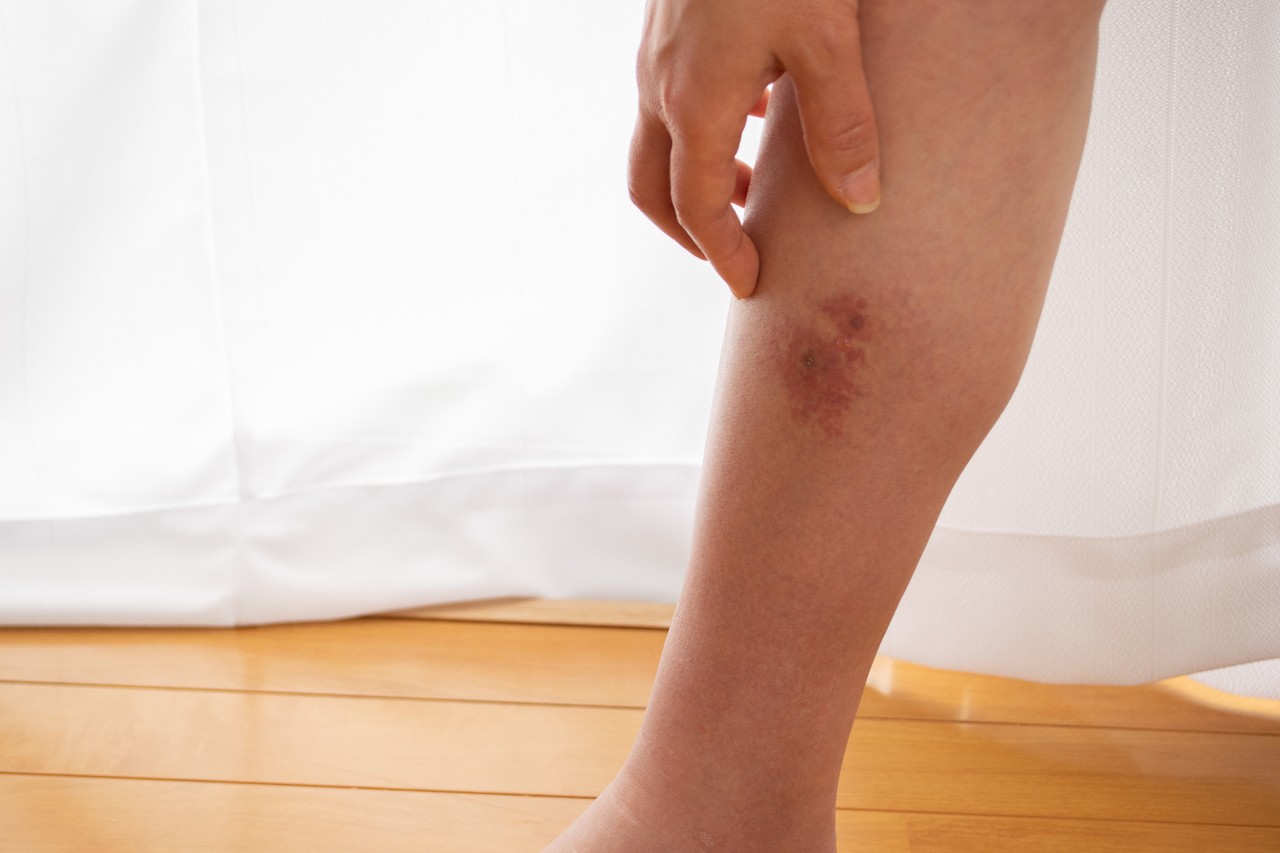
Features consistent with a mild skin infection
● Mild cellulitis: one-sided, localised colour change, warmth, swelling and tenderness; systemically well1,3
● Boil or small abscess: a tender red lump, which may have a pus-filled head1
● Acute paronychia: a red, swollen, painful nail fold1
If these features are absent: skin infection less likely
● Consider gout, eczema, superficial thrombophlebitis or venous insufficiency, especially if both legs are affected1,2
● Refer to general practice or another provider as appropriate1
Referral
Immediate (A&E, or 999 if life-threatening)
● Signs of systemic illness (confusion, fast heart rate or breathing, low blood pressure) or sepsis. Consider calculating a NEWS2 score ahead of signposting1,2
● Suspected necrotising fasciitis (pain out of proportion, discoloured or blistering skin, rapid deterioration)1,2
● Suspected orbital cellulitis, bone or joint infection, or limb-threatening infection1,2
● Paronychia spreading into the finger (held bent, painful to straighten, or tense, swollen fingertip)1,2
● Suspected deep vein thrombosis (DVT): A&E for same-day assessment. Chest pain, breathlessness or coughing up blood: 9991,2
Urgent (same-day GP or out-of-hours service, depending on circumstances)
● Fever, or numbness of the affected area1,2
● Rapidly spreading redness or swelling1,2
● Lymphangitis (red streaks spreading from the infection)1,2
● Infection of the face, genitals or perineum1,2
● A collection to drain: large or fluctuant (soft, pus-filled) boil or abscess, or pus at the nail fold. Includes referral for drainage1,2
● Suspected carbuncle (a cluster of boils)1,2
● If same-day assessment is not available: A&E, or the locally agreed escalation pathway1,2
Same-day GP or out-of-hours service
● Diabetes, immunosuppression, frailty, or older age with a possibly atypical presentation1,2
● Lymphoedema or another unstable or complicating comorbidity, such as peripheral arterial disease, venous insufficiency, liver or kidney disease, or alcohol misuse1,2
● Penetrating injury, fresh or sea water exposure, or infection acquired outside the UK1,2
● Known MRSA, boils in close contacts (possible PVL-Staph), or antibiotics already taken for this episode1,2,4,5
General practice
● Recurrent boil or paronychia (2 or more episodes in the previous 12 months)1,2,4,5
Treat in the pathway AND refer
● Recurrent cellulitis (2 or more separate episodes in the previous 12 months): treat this episode and also refer to general practice, for consideration of specialist advice on antibiotic prophylaxis1,2,3
● Ingrowing toenail paronychia: also refer to another provider as appropriate1
Treatment options
Pathway: offer an antibiotic if ONE of the following applies
● Mild cellulitis, including mild cellulitis around a boil or nail fold1,2
● Boil or small abscess with significant pain or severe discomfort1,2
● Acute paronychia: minor, localised infection, or with significant pain, wider spread or cellulitis1,2
Antibiotic treatment not indicated
● Recommend self-care and safety-netting advice. For a boil or small abscess with no collection to drain, use moist heat. For minor paronychia, use warm soaks1,2,4,5
Cellulitis: oral antibiotics for 5–7 days
● Adults: flucloxacillin 500–1000 mg four times daily3
● Adults, if flucloxacillin is unsuitable or there is a penicillin allergy: clarithromycin 500 mg twice daily, or doxycycline 200 mg on the first day then 100 mg once daily. In pregnancy, erythromycin 500 mg four times daily3
● Ages 12–17: flucloxacillin 250–500 mg four times daily3
● Ages 12–17, if flucloxacillin is unsuitable: co-amoxiclav 250/125 mg or 500/125 mg three times daily3
● Ages 12–17, with a penicillin allergy: clarithromycin 250–500 mg twice daily. In pregnancy, erythromycin 250–500 mg four times daily3
● Consider drawing around the extent of the infection with a single-use surgical marker pen to monitor progress1,3
Boil or small abscess: oral antibiotics for 5–7 days
● Flucloxacillin 250–500 mg four times daily, for adults and ages 12–174
● True penicillin allergy: clarithromycin 250–500 mg twice daily (ages 12 and over), or erythromycin 250–500 mg four times daily, which is preferred in pregnancy and breastfeeding4
● Small boils usually drain spontaneously with moist heat, so antibiotics are for people in pain or severe discomfort, or with cellulitis1,4
Acute paronychia: topical and oral options 
● Minor, localised infection: topical fusidic acid cream, applied 3 to 4 times daily for 7 days. Generally do not use for longer than 10 days5
● Oral antibiotic for significant pain, a wider area of involvement or cellulitis: flucloxacillin 250–500 mg four times daily, or clarithromycin 250–500 mg twice daily, for 5–7 days. Erythromycin is generally preferred in pregnancy and breastfeeding5
Self-care and advice
All patients
● Pain relief, such as paracetamol or ibuprofen1,3
Cellulitis
● Drink adequate fluids1,3
● Raise the affected leg, for comfort and to relieve swelling1,3
● Do not use compression garments while the infection is acute1,3
● Use emollients for dry skin1,3
Boil or small abscess
● Apply moist heat 3 to 4 times a day, to ease pain and help the boil drain1,4
● Do not squeeze. Cover once draining, with a sterile dressing, and discard used dressings straight away1,4
● Wash hands carefully after touching the boil. Use a separate towel and face cloth, and wash bedding, towels and underclothes at a high temperature1,4
● Avoid contact sports, swimming pools and gyms until the boil has cleared4
Acute paronychia
● Warm soaks for 10–15 minutes, 3 to 4 times a day; otherwise keep the nail clean and dry1,5
● Avoid trauma to or manipulation of the nail, and avoid nail biting. Trim hang nails to a smooth, semi-lunar edge1,5
● If hands are often in water (e.g. washing dishes), wear cotton-lined gloves: treatment is unlikely to work if wet exposure continues5
Safety-netting advice for patient
● Seek urgent help if unwell, symptoms worsen rapidly, redness spreads, or a finger swells or is painful to straighten1,3
● Boil or paronychia becomes soft and pus-filled: seek same-day advice1,4,5
● Not improving within 2 to 3 days of antibiotics, or not settling: see general practice1,3
● The skin may take some time to return to normal after the antibiotics1,3
Follow up
Treatment not effective
● If infection is not improving within 2 to 3 days of starting antibiotics: refer to general practice1,3
● Boil or paronychia becoming soft and pus-filled (a collection to drain): same-day GP referral, as incision and drainage may be needed1,2,4,5
References
1 NHS England. Pharmacy First: mild skin and soft tissue infections prescribing pathway (people aged 12 years and over). Final draft v0.21.
2 NHS England. NHS Community Pharmacy Clinical Prescribing Guidance, final draft. Section B4, Mild skin and soft tissue infections (pages 34–37).
3 NICE Clinical Knowledge Summaries. Cellulitis - acute. Last revised October 2025. Management: scenario, management of acute cellulitis; follow up.
4 NICE Clinical Knowledge Summaries. Boils, carbuncles and staphylococcal carriage. Last revised February 2025. Management: scenario, boils and carbuncles; prescribing information.
5 NICE Clinical Knowledge Summaries. Paronychia - acute. Last revised February 2025. Management: scenario, management; prescribing information.
 

Share:

Change privacy settings